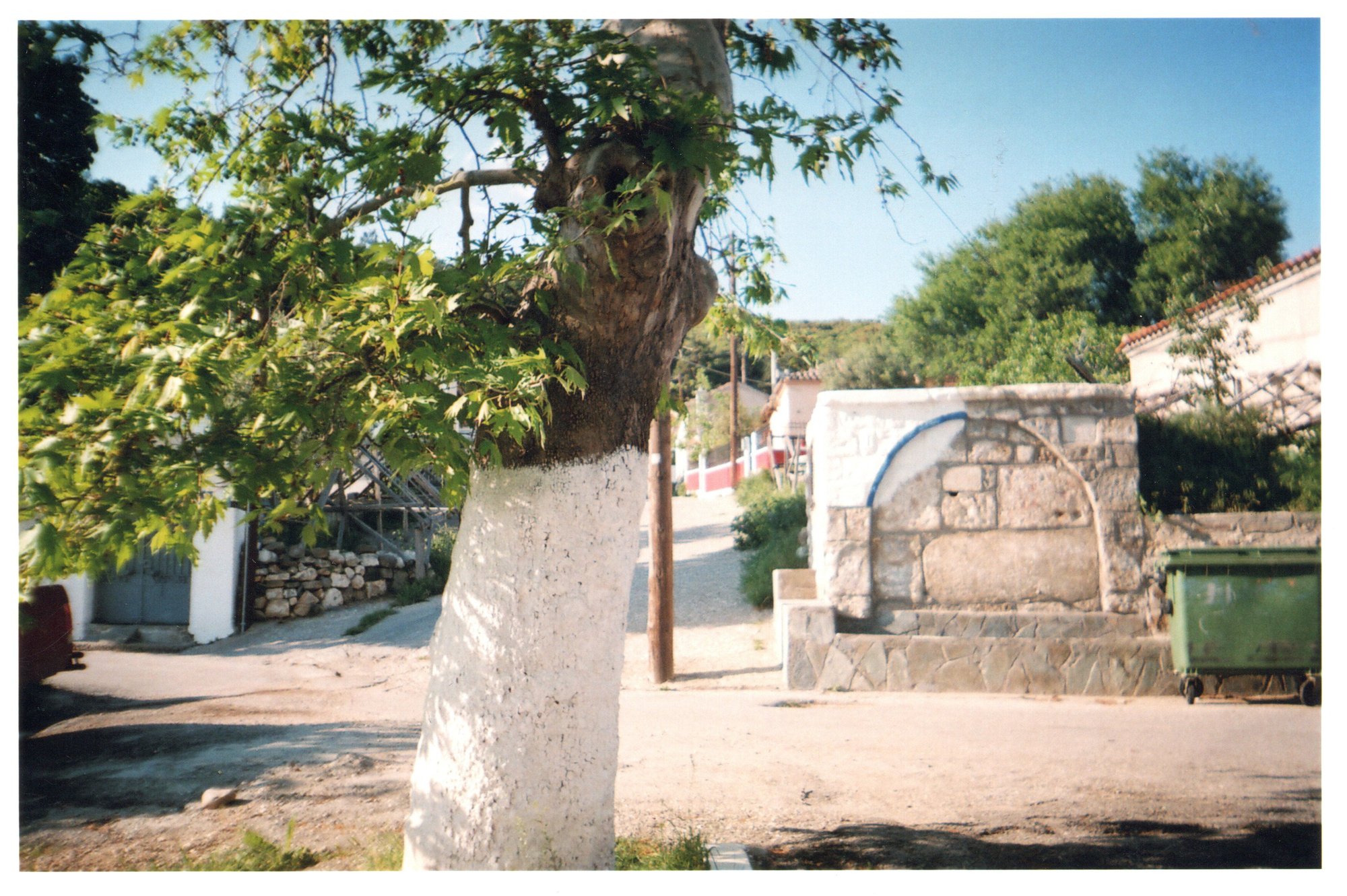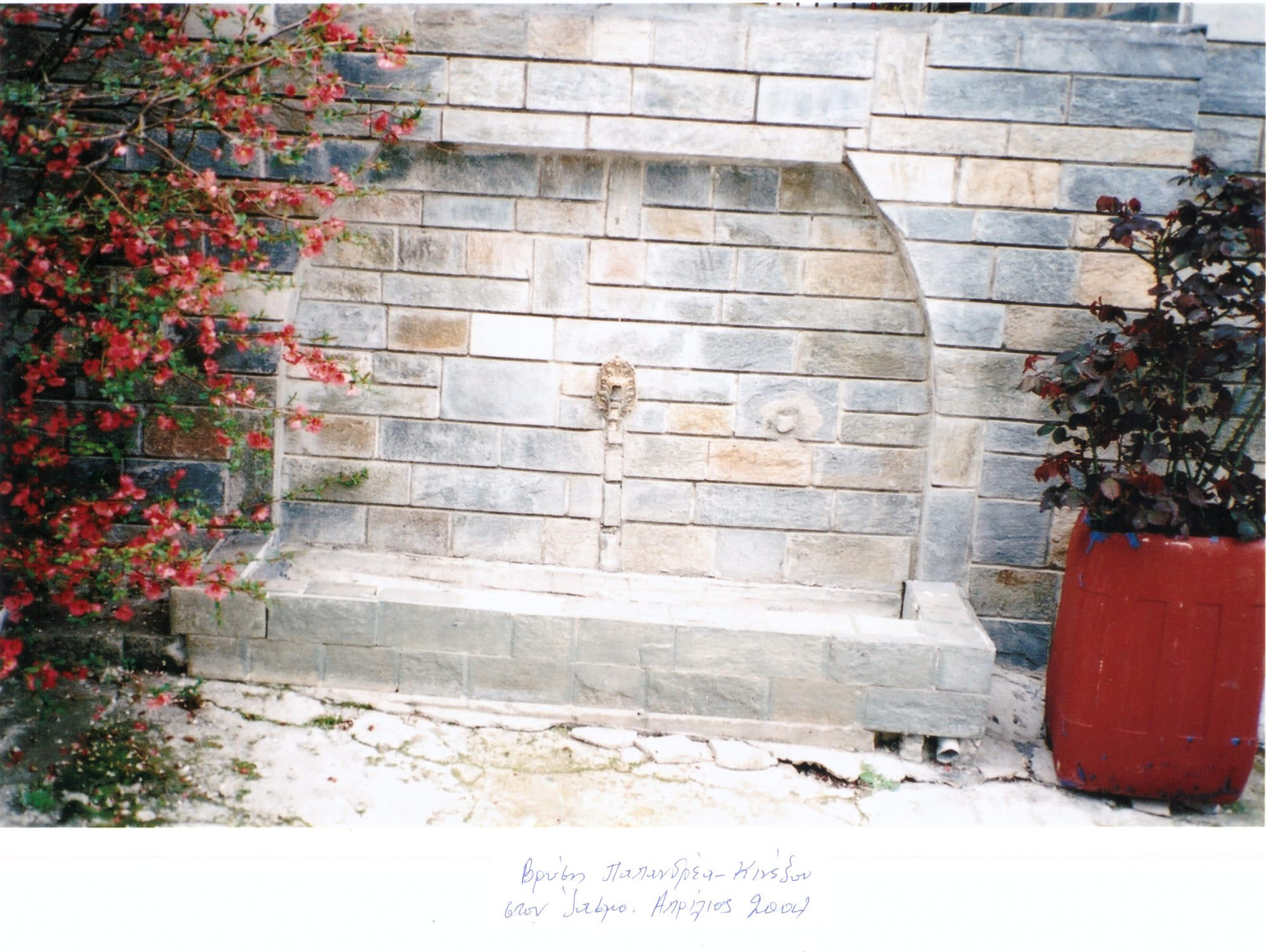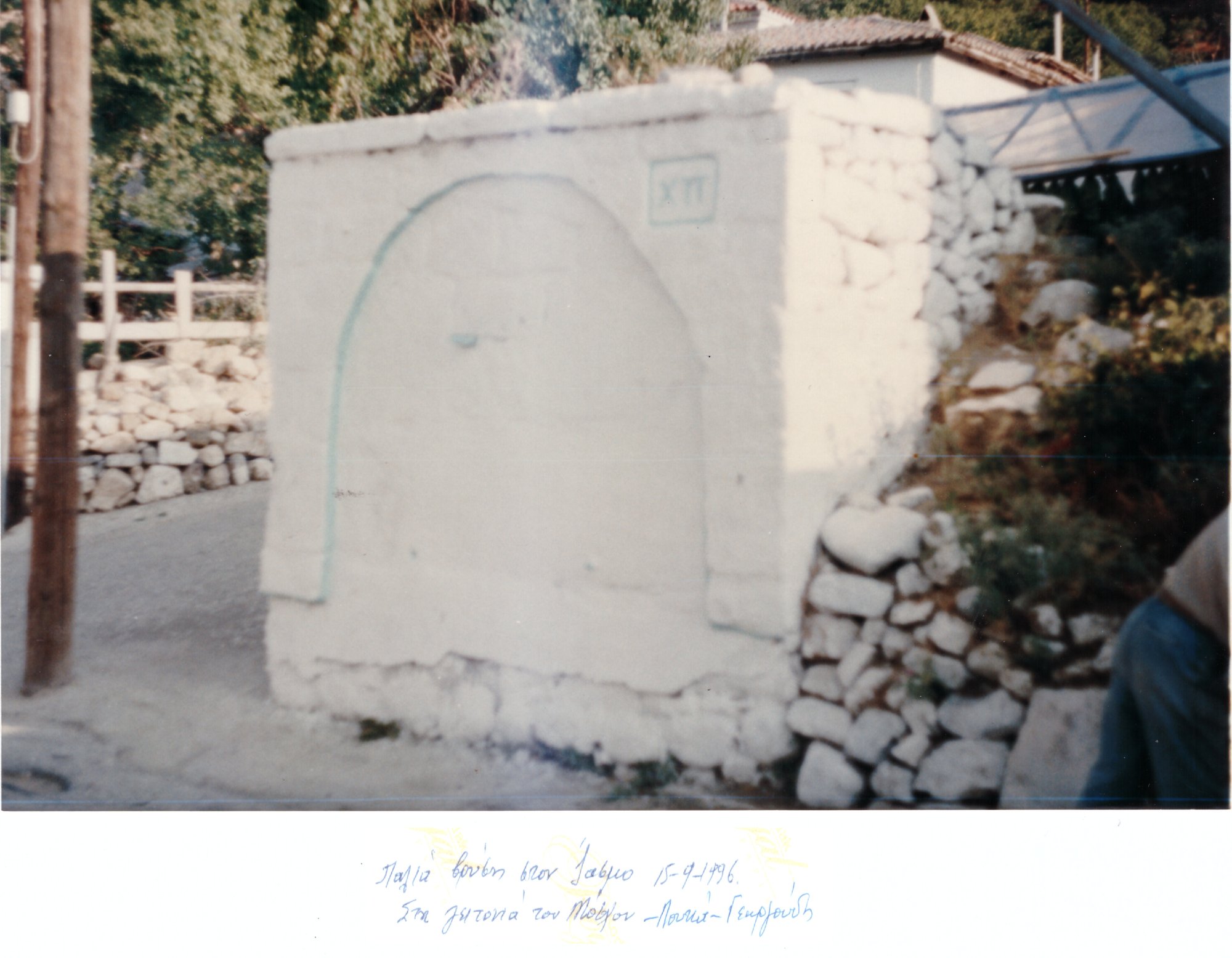
In earlier times—long before the introduction of an organized water-supply system—the residents’ water needs were met by a well located opposite the house of Kolisis, as well as by nine public stone fountains: Paliovrysi, Papa Andreas’s Fountain, Periklis’s Fountain in the village square, and the “Pazarisia” Fountain (the latter four no longer exist today), as well as the fountain of the Church of Agios Nikolaos, Papa Nikola’s Fountain, Mavinis Fountain, Belios Fountain, and “Tsiligoud” Fountain.
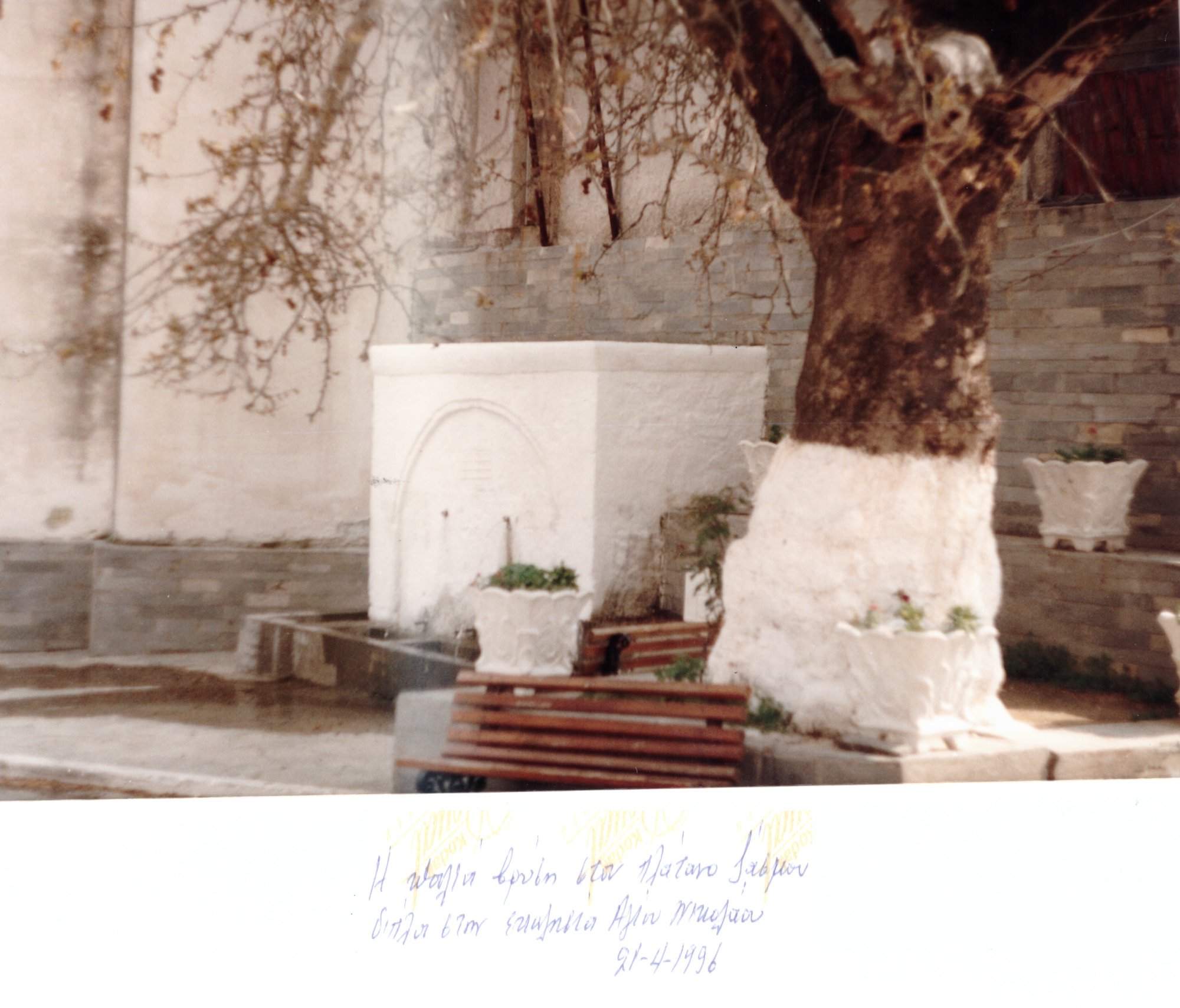
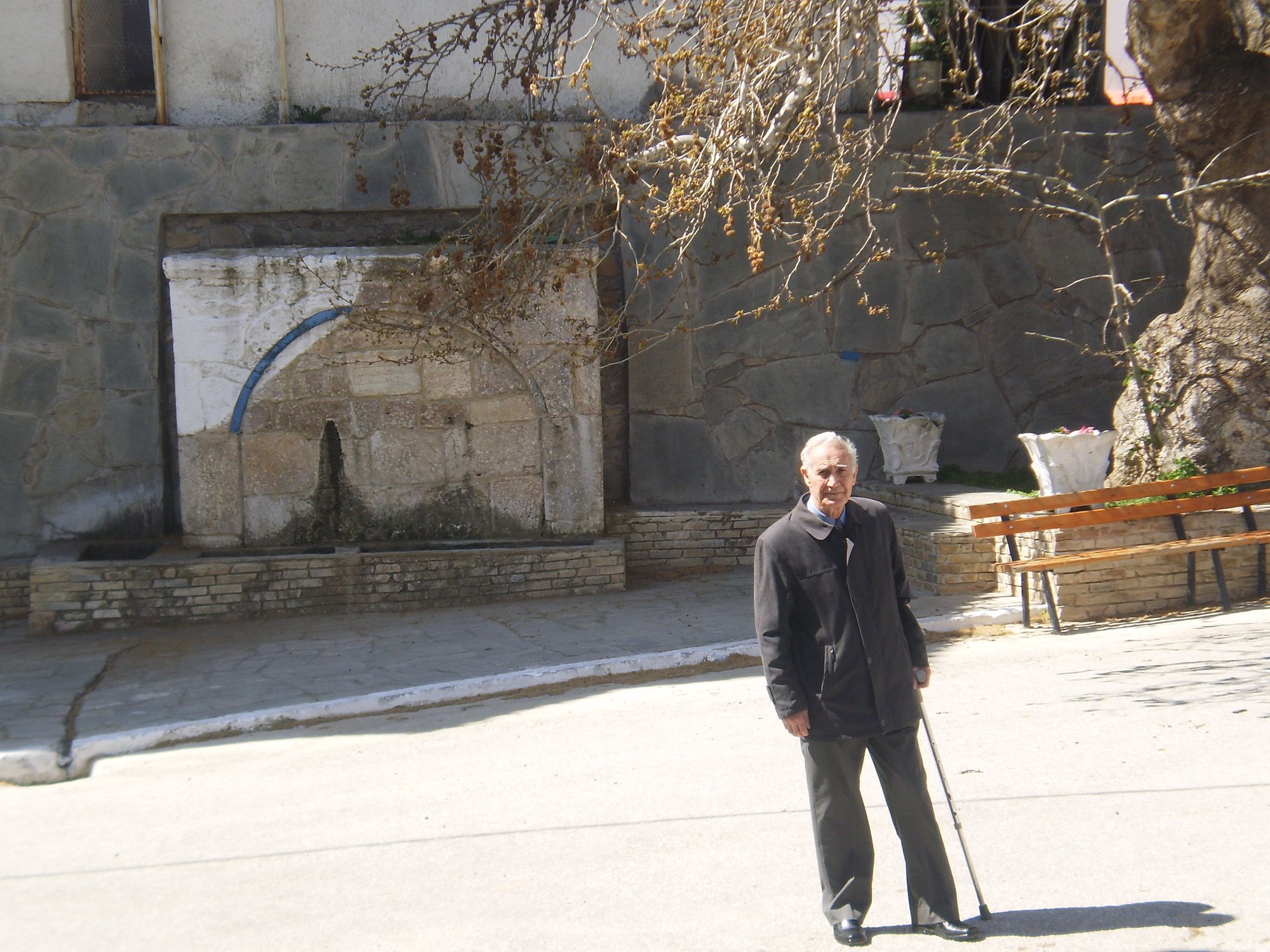
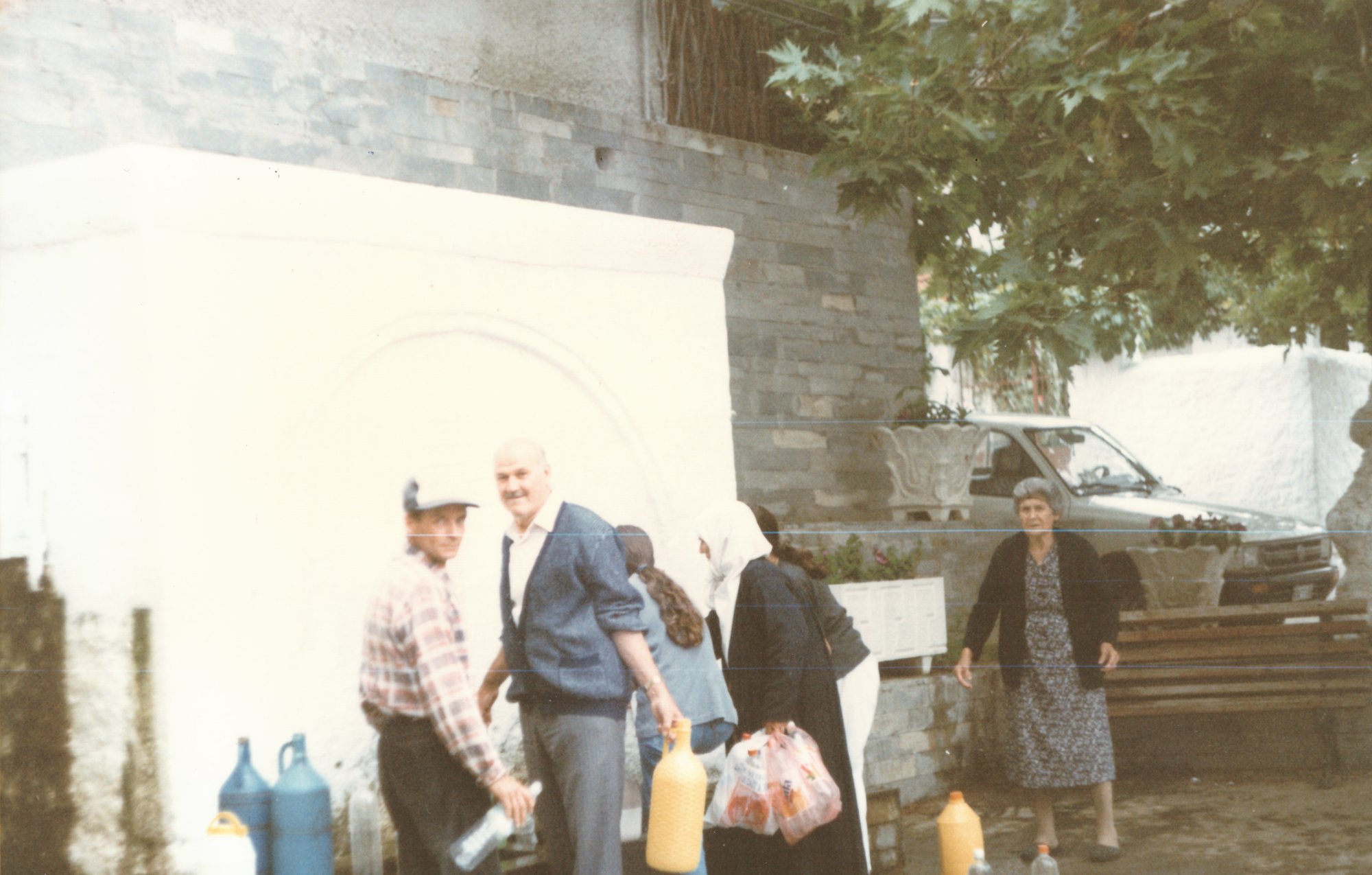
Church Fountain
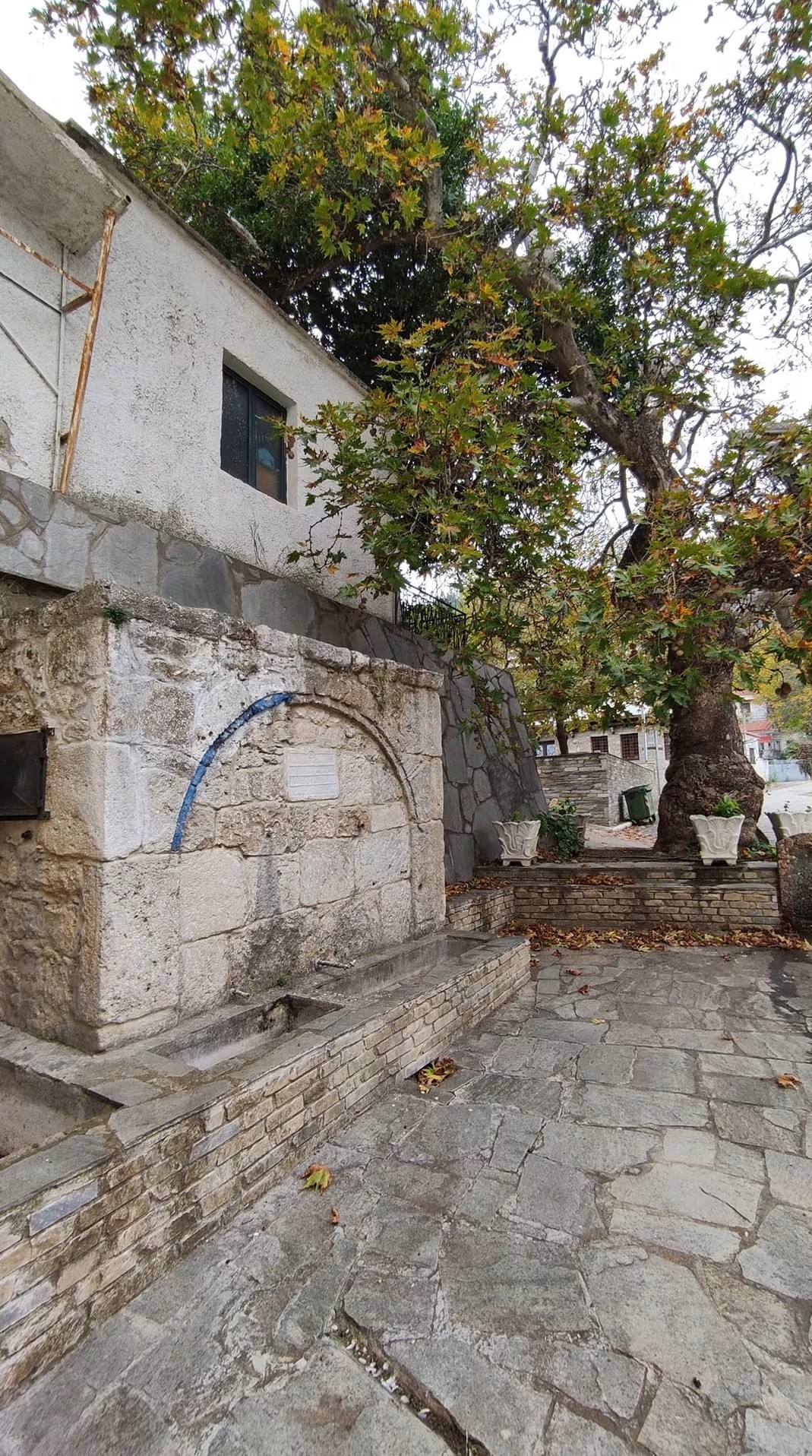
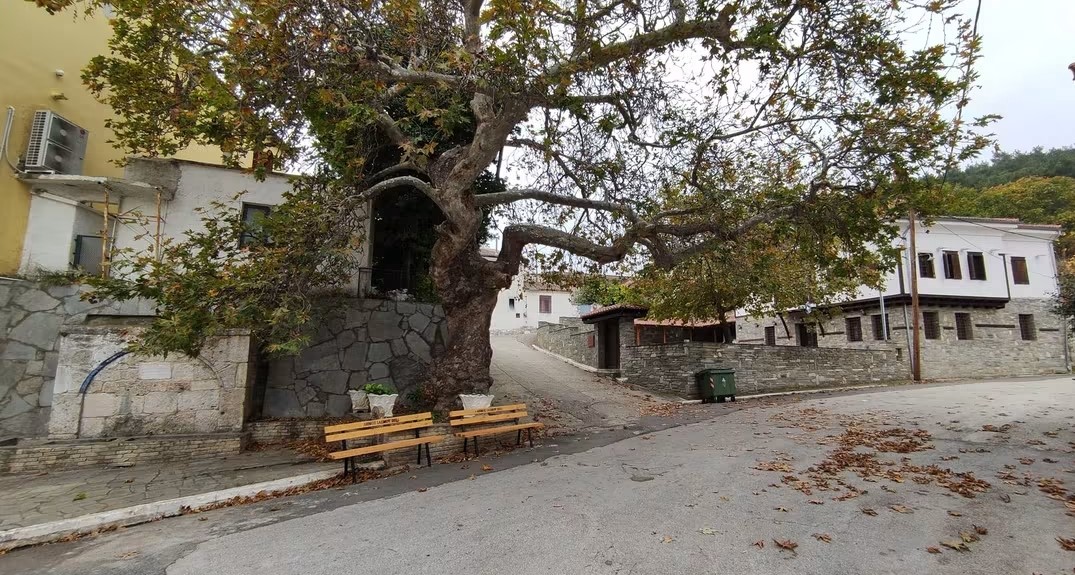
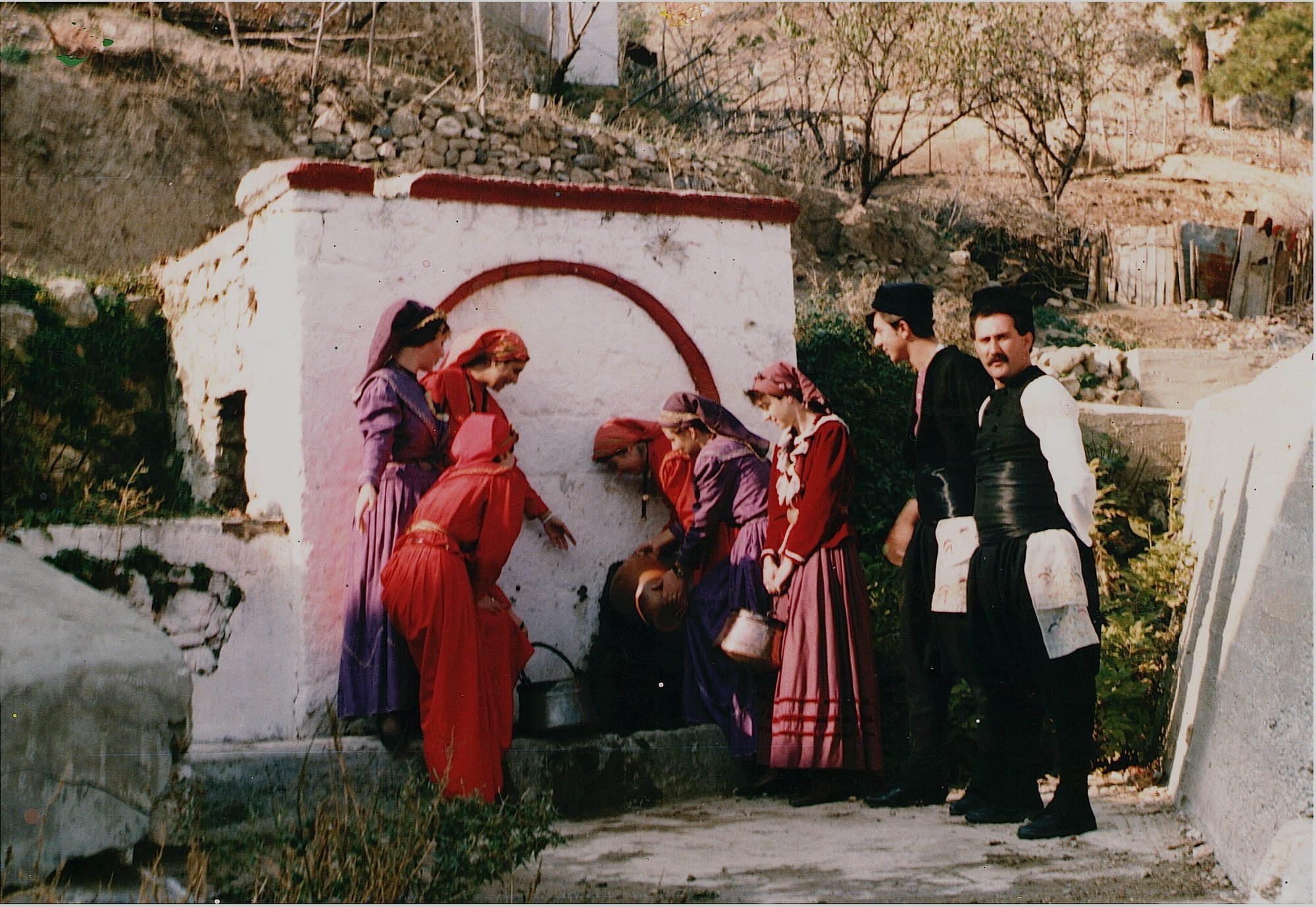
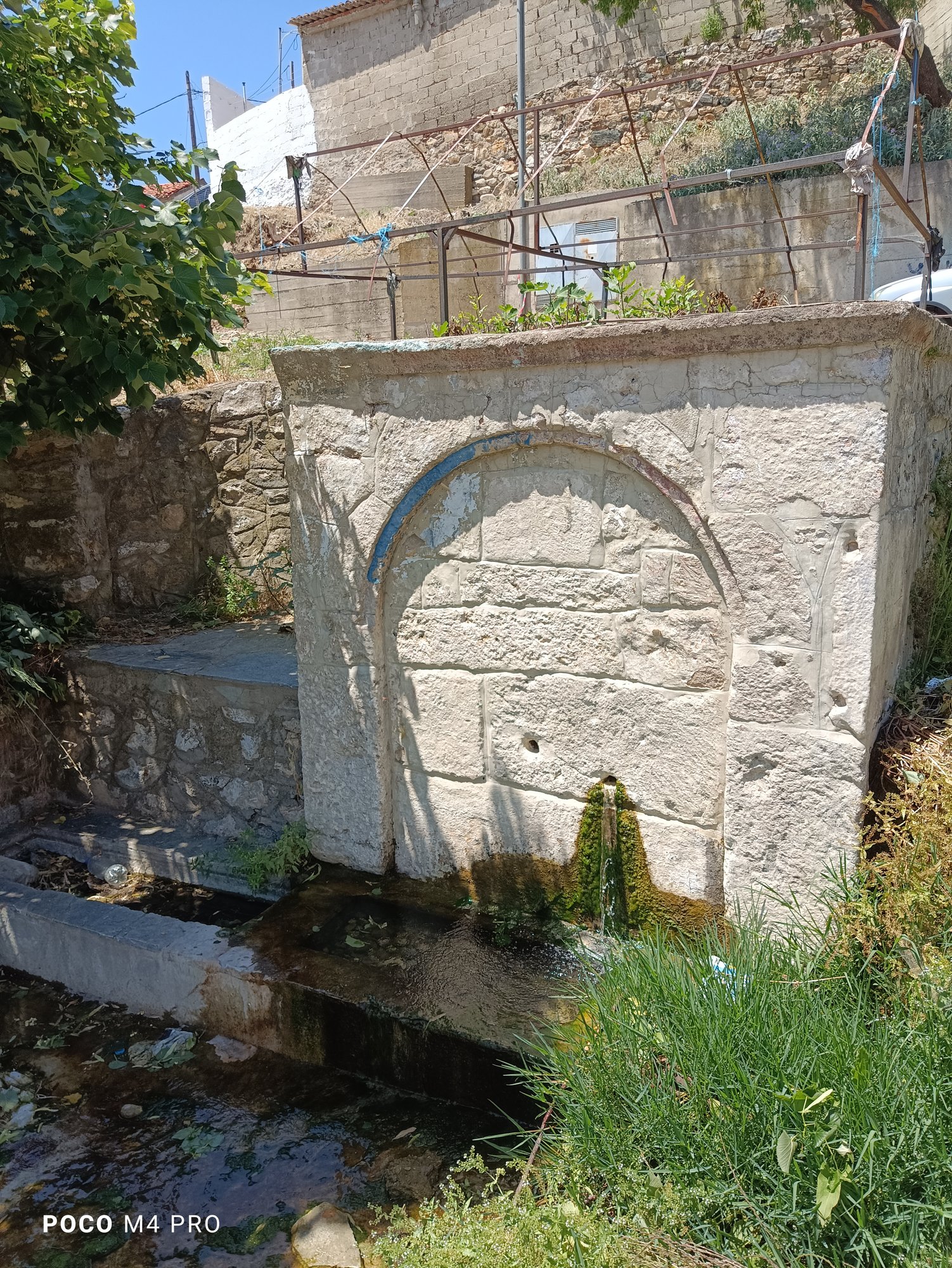
A stone-built fountain, featuring a distinctive large blind arch constructed of dressed stone, stands below the enclosure of the Church of Agios Nikolaos. It is one of the most imposing and characteristic fountains in the village.
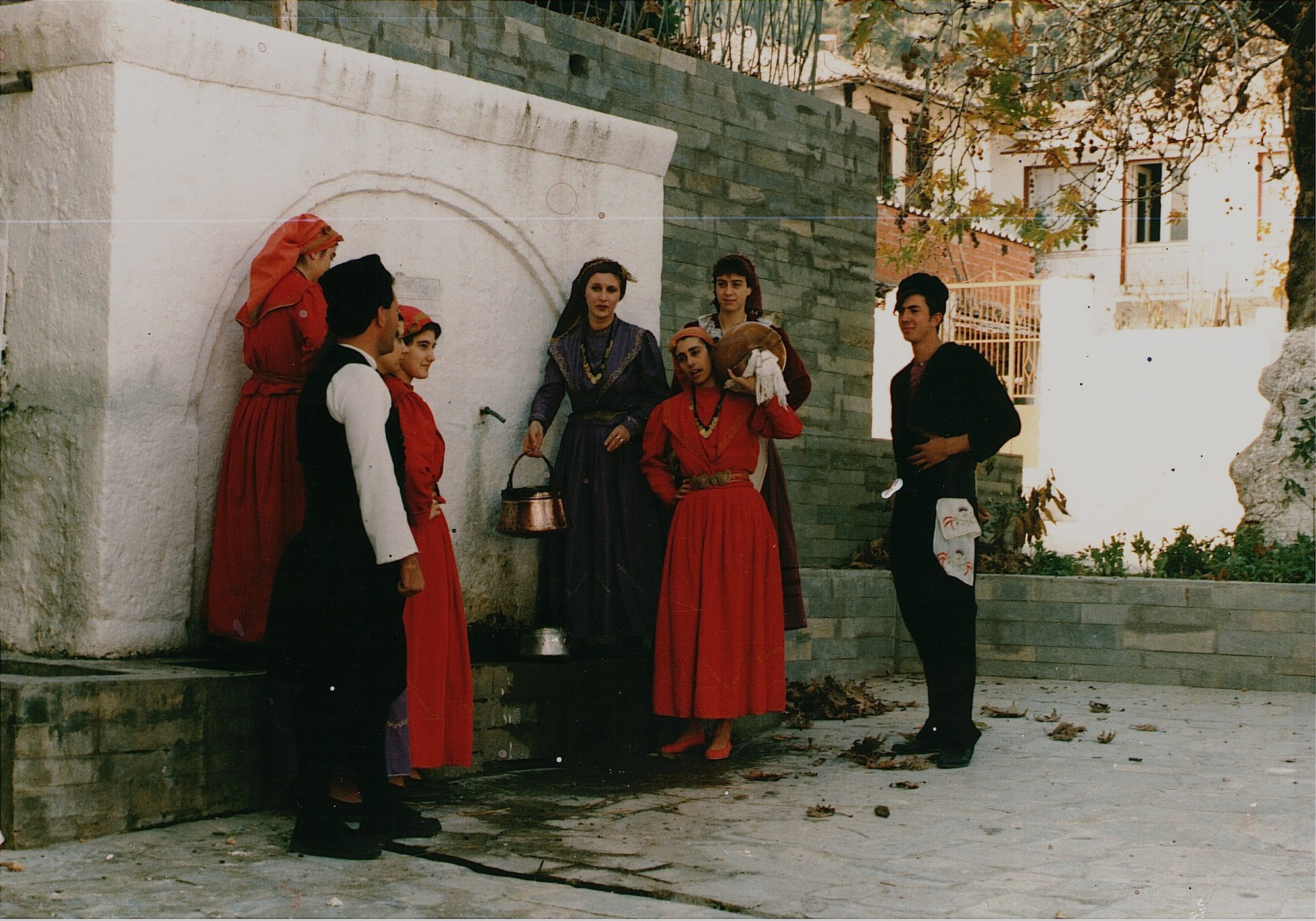
For many years, it served as an important water-collection point, as well as a lively meeting place where residents could gather and communicate. As was the case with the old village fountains, its presence was associated not only with the everyday need for water but also with the social life of the community.
The fountain is located on the northern side of the Church of Agios Nikolaos, directly opposite the Museum of Agricultural and Cultural Heritage.
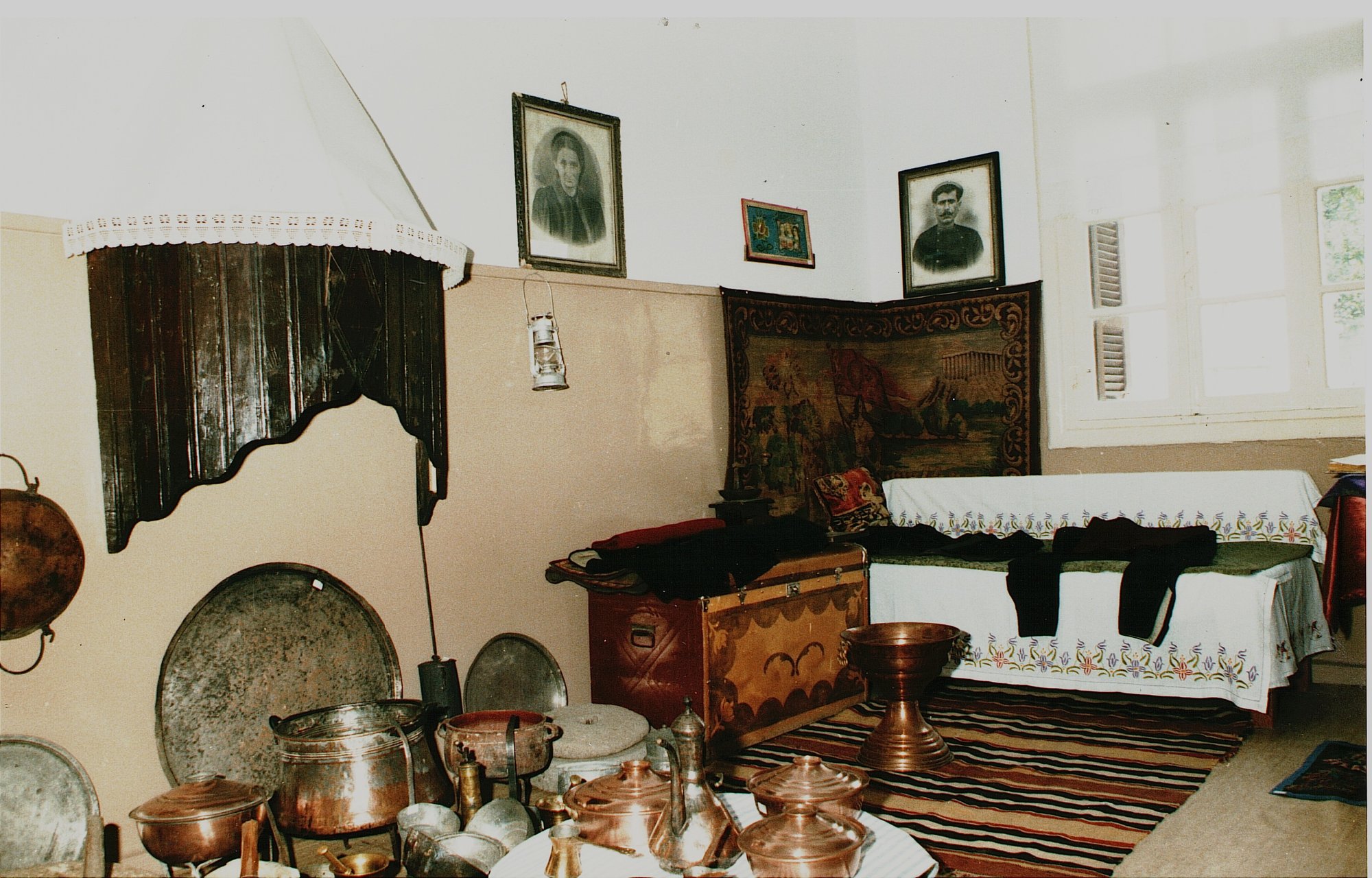
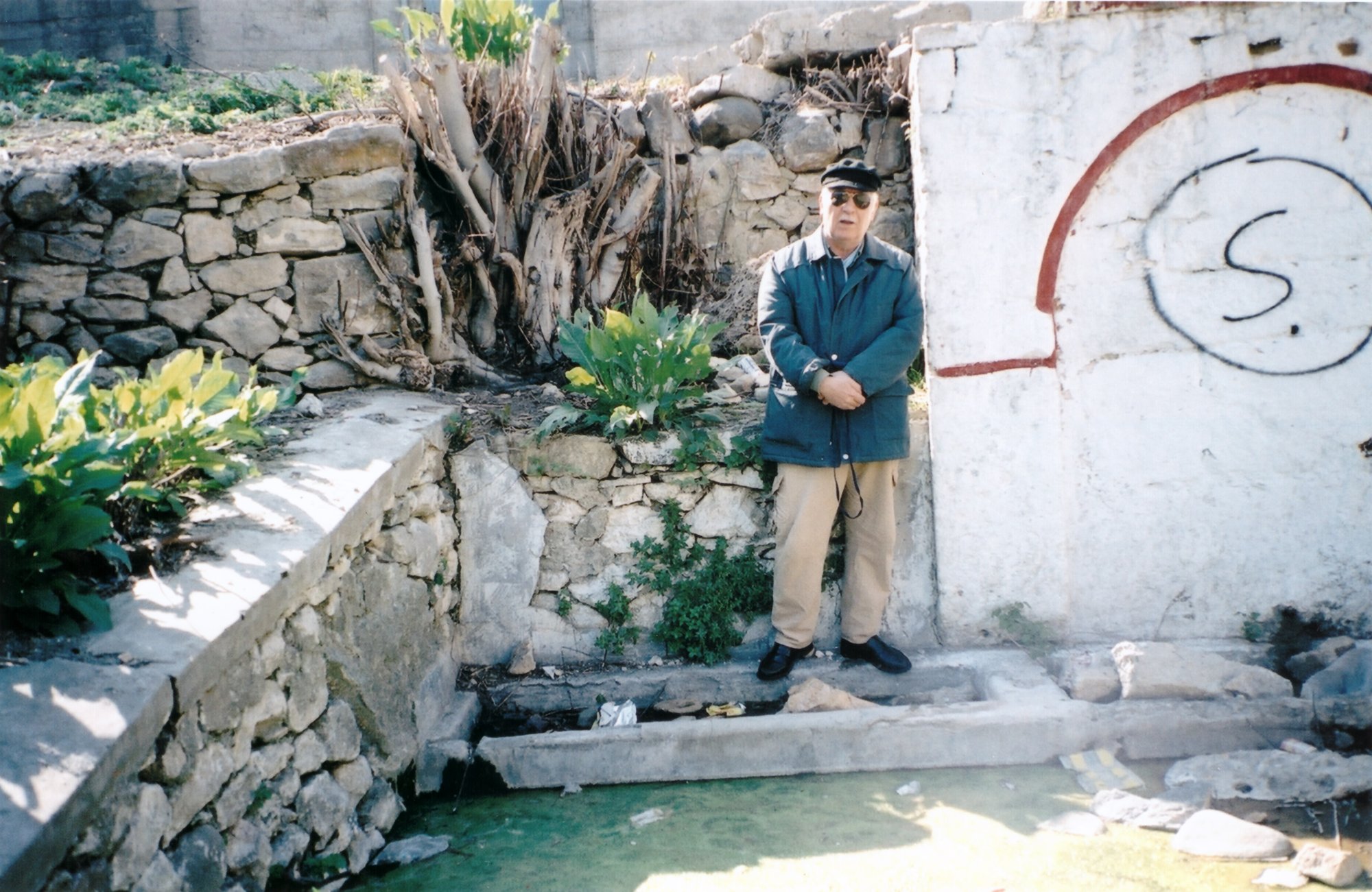
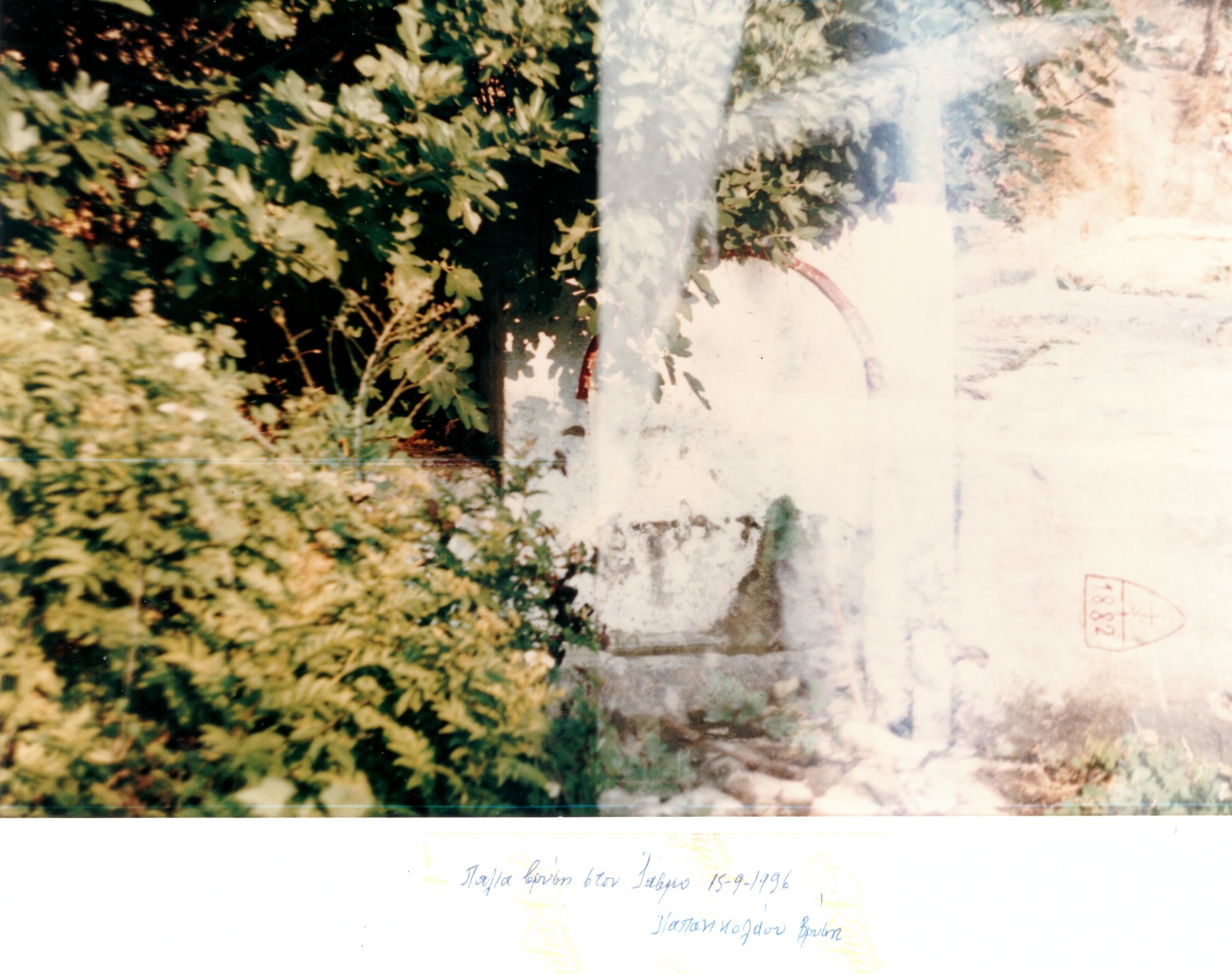
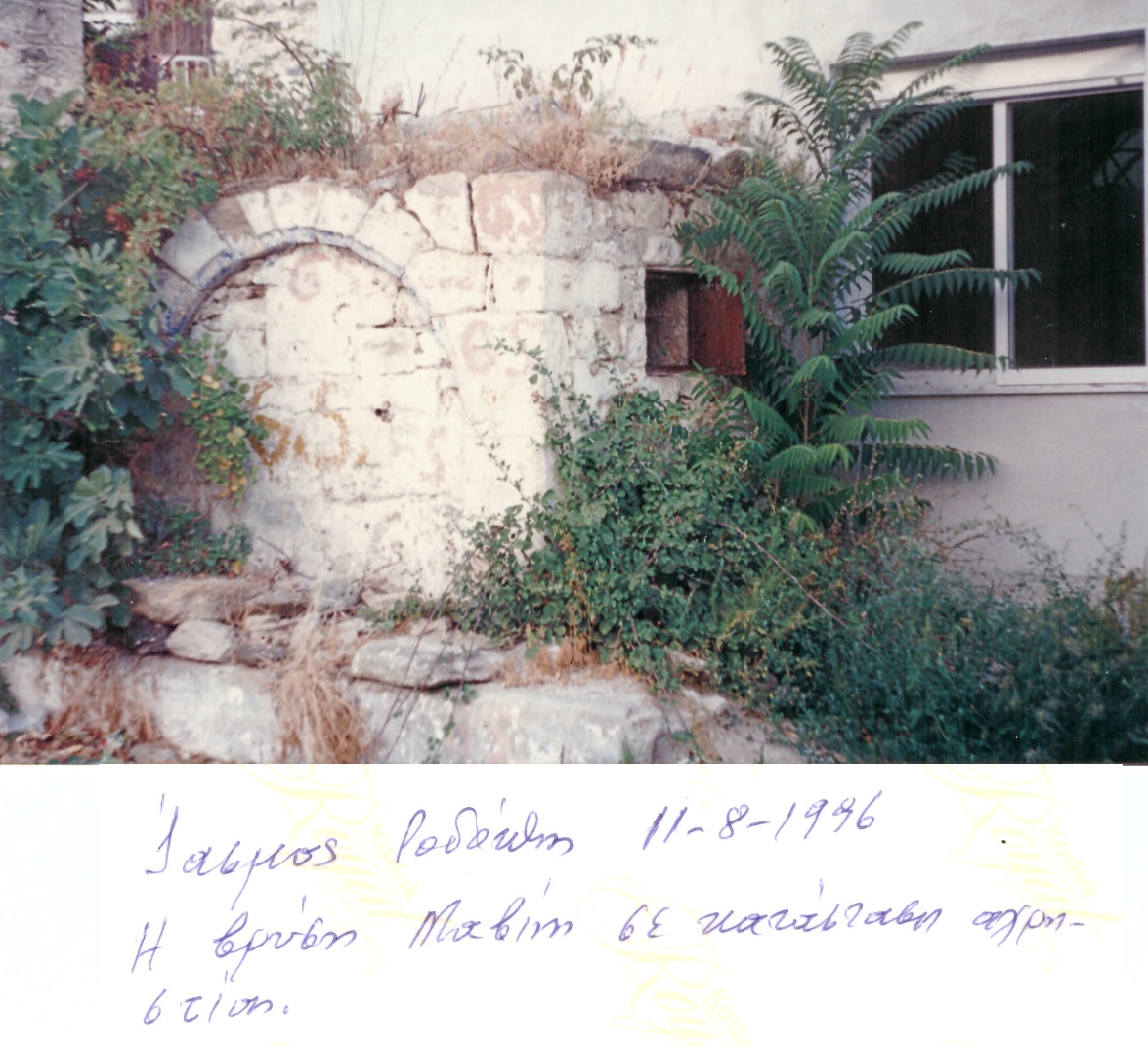
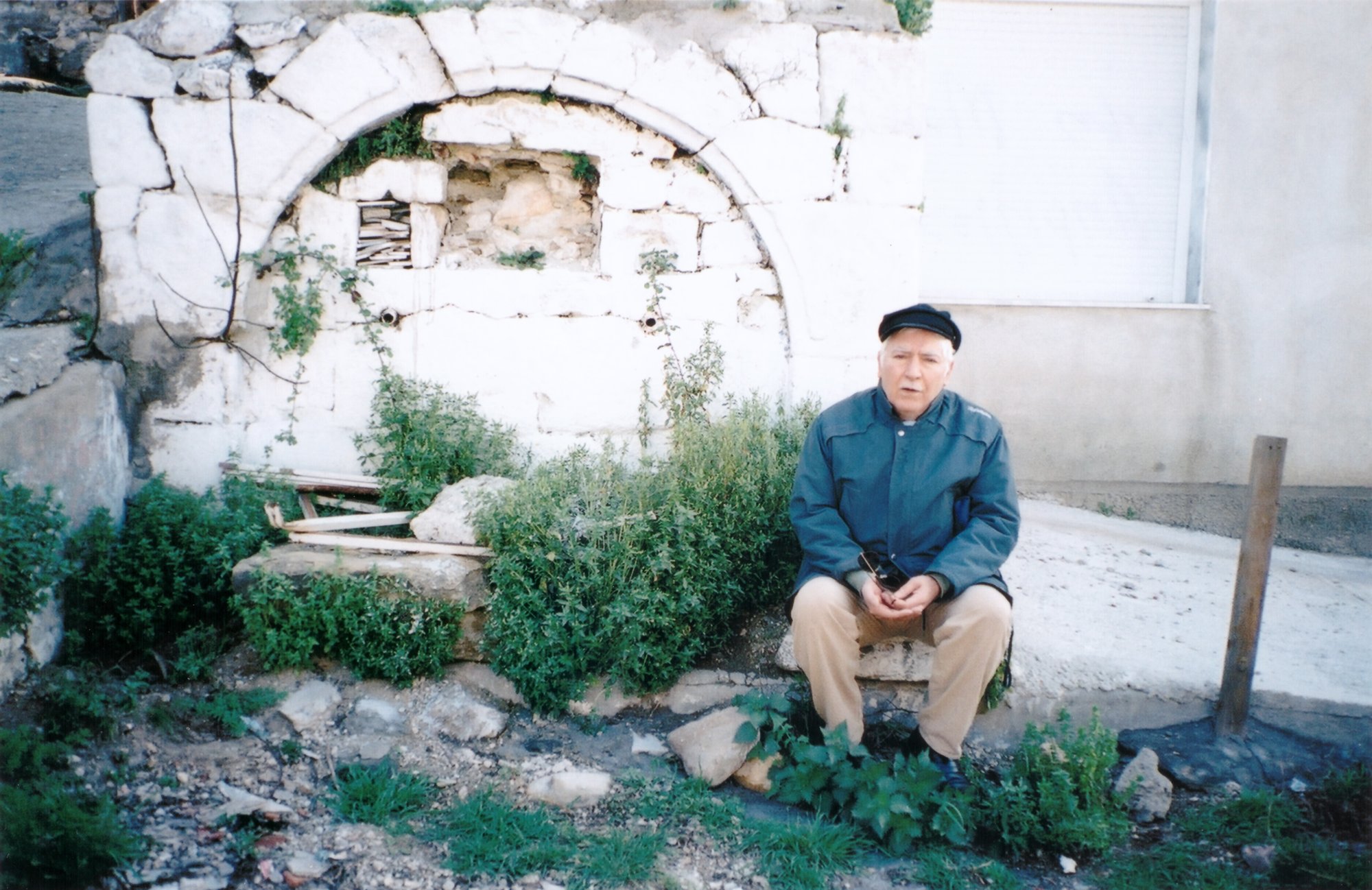
The photographs presented in the article come from the archive of the Iasmos Cultural Association and were taken by members of the Association during the first years after its establishment, preserving vivid images and moments from the history of the village.
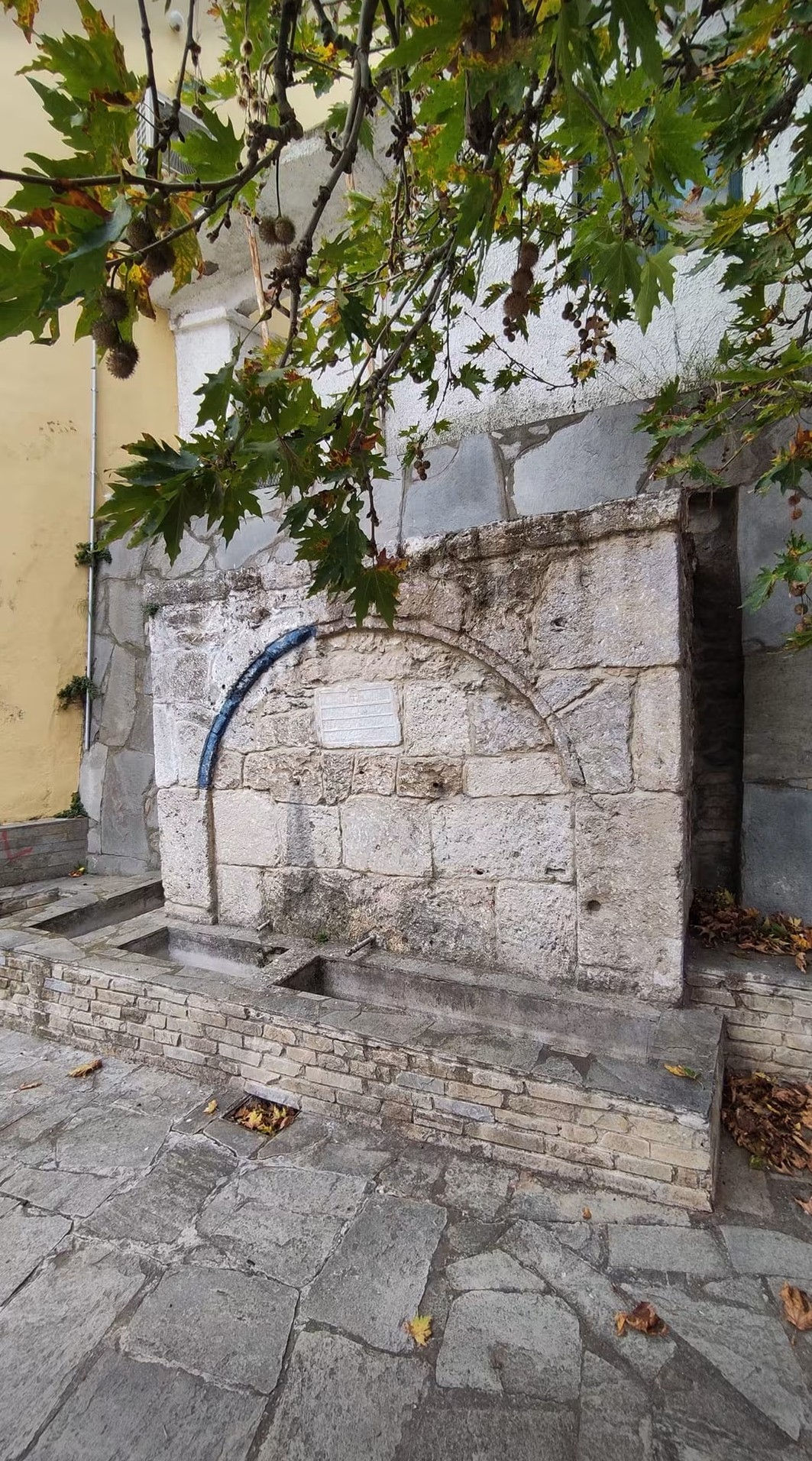
Papa Nikola’s Fountain (1882)
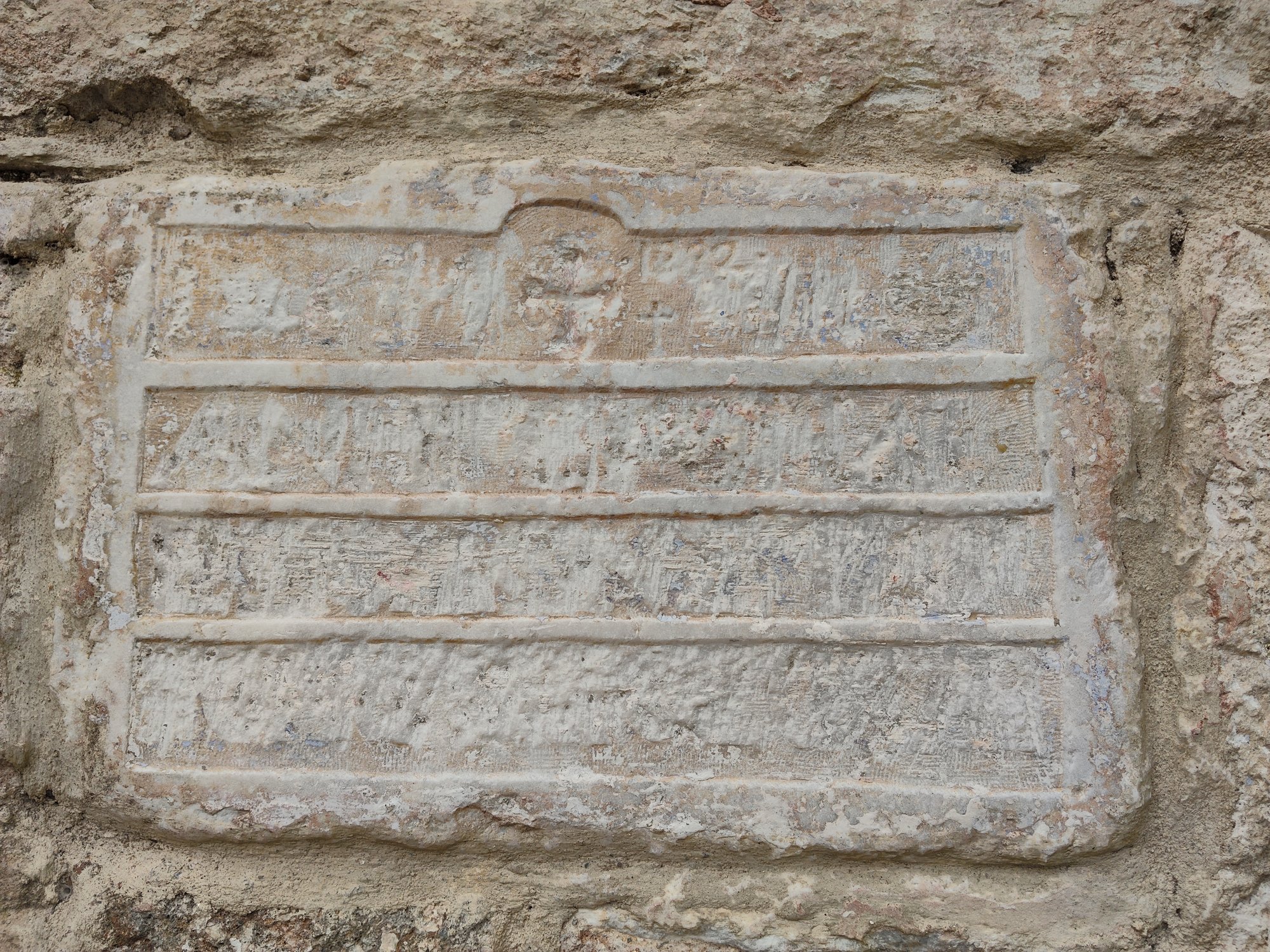
It took its name from its proximity to the priest’s house. A stone-built fountain with an arched recess, dated to 1882 according to its inscription. It is one of the oldest surviving fountains in the village. According to local accounts, it had the best water, which was particularly cold because it was located close to the “mother spring” (the natural spring from which the water originated).
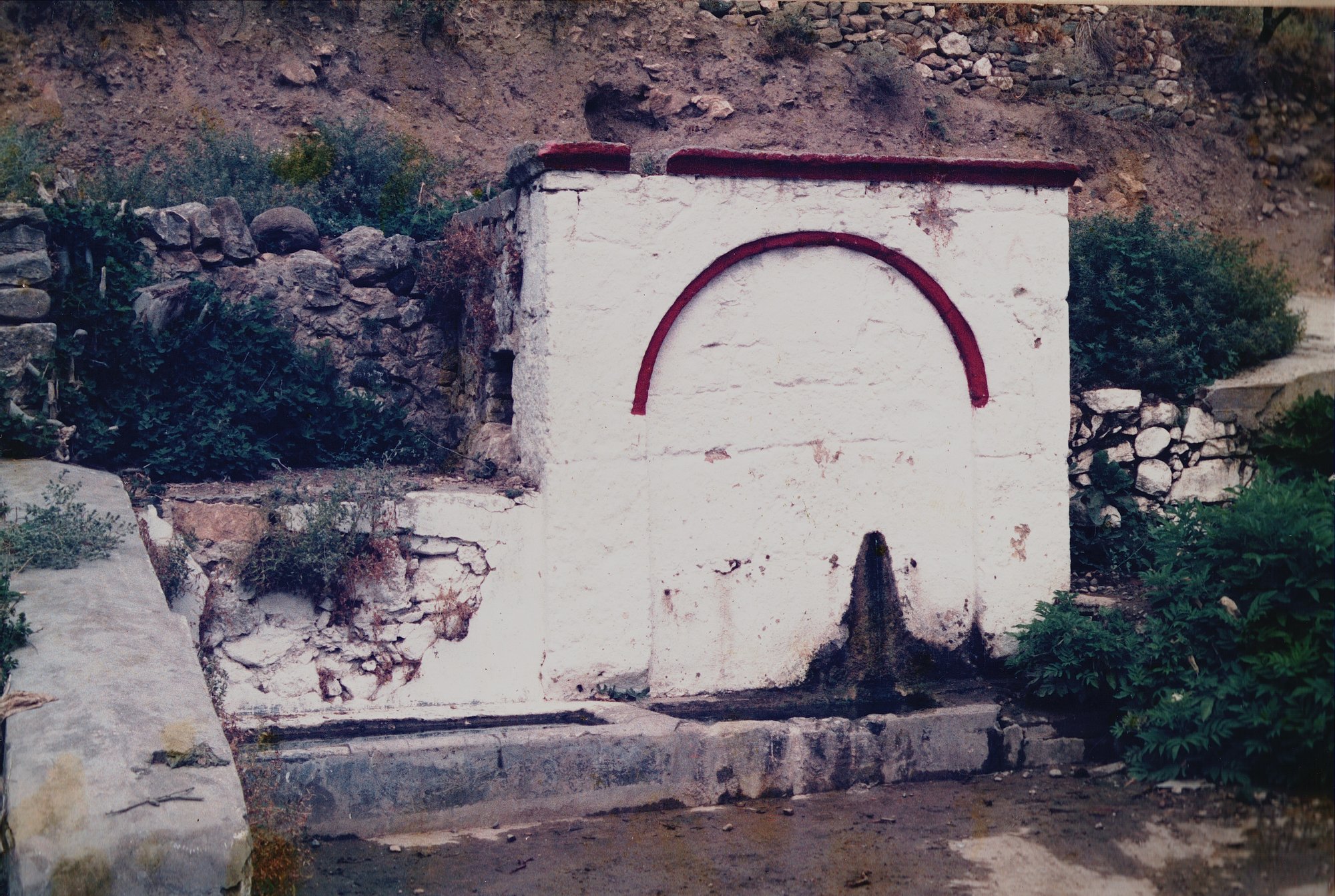
“Tsiligoud” Fountain
It took its name from the person who donated the land on which it was built. A stone-built fountain situated in a courtyard with a small garden and trees, featuring a typical blind arch on its façade. It retains its original stonework and served the surrounding neighborhood, from which it also took its name.
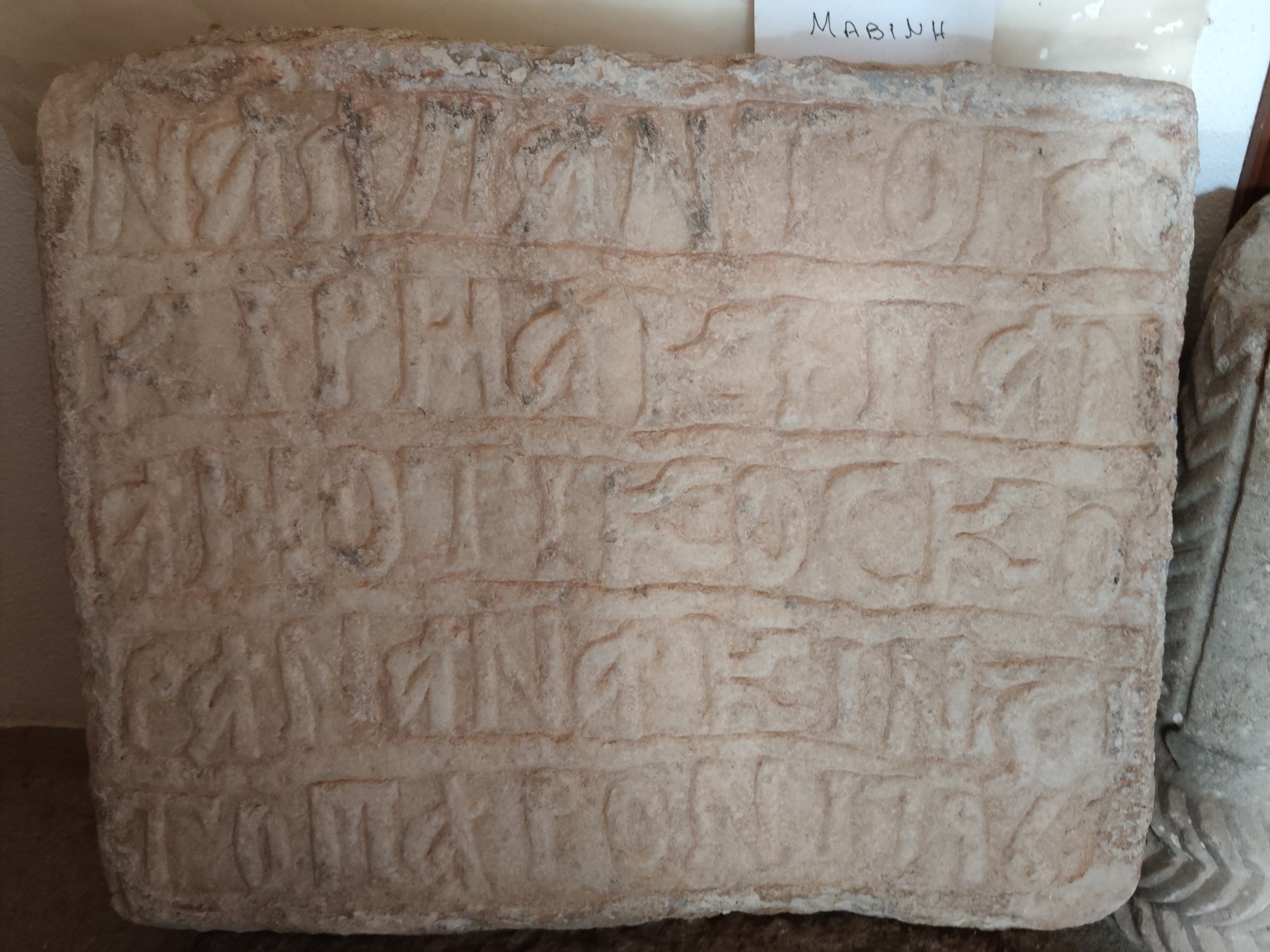
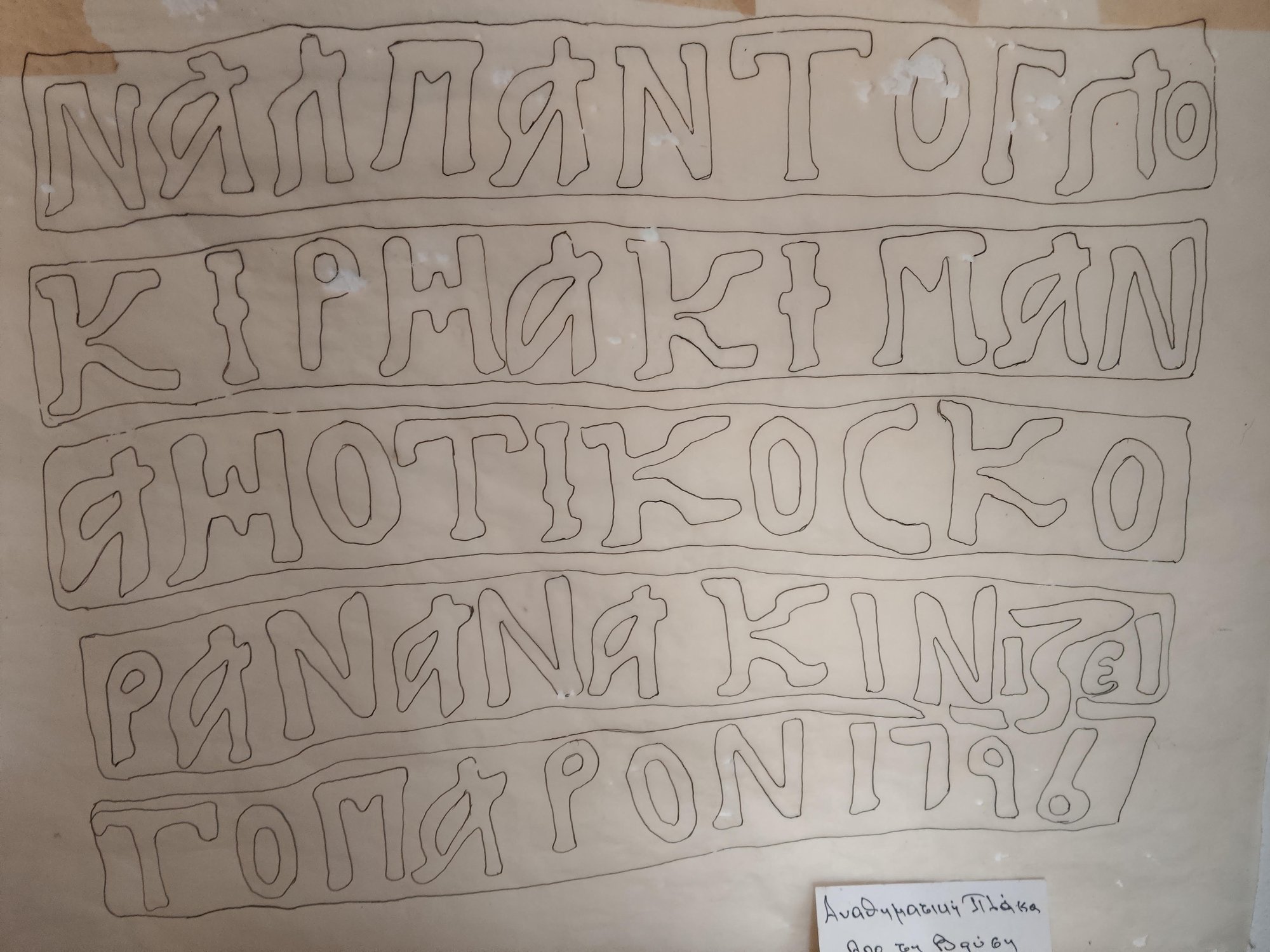
Mavinis Fountain
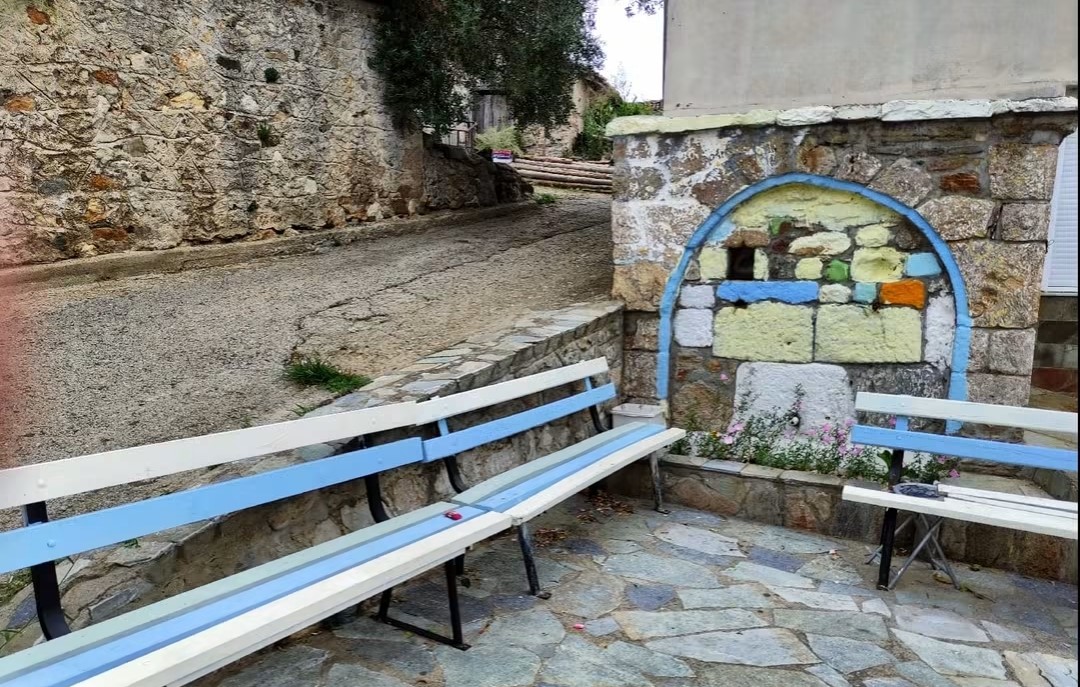
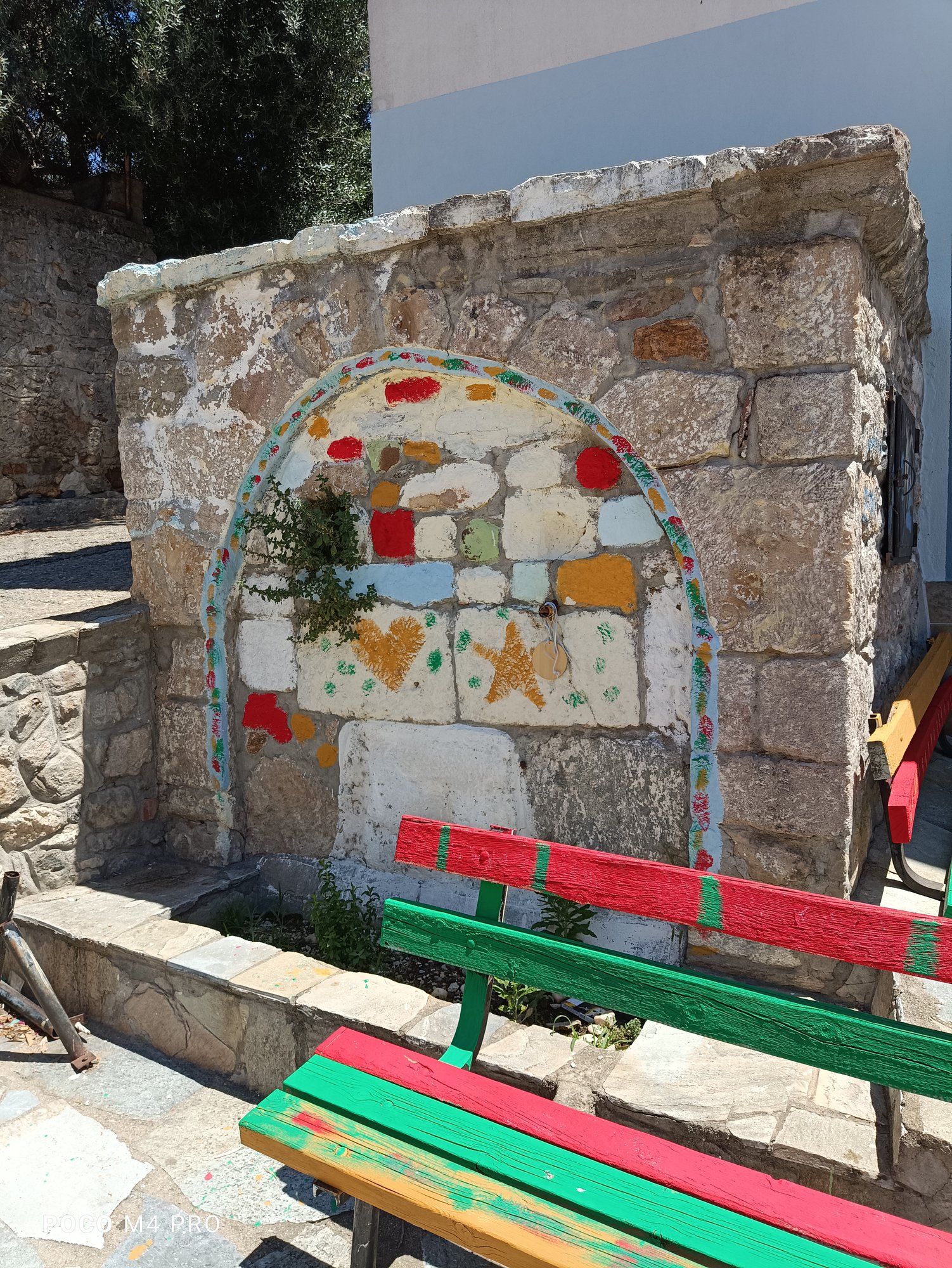
A smaller fountain, today arranged as a resting spot with benches. Its façade bears more recent alterations, but its core remains the original old stone structure.
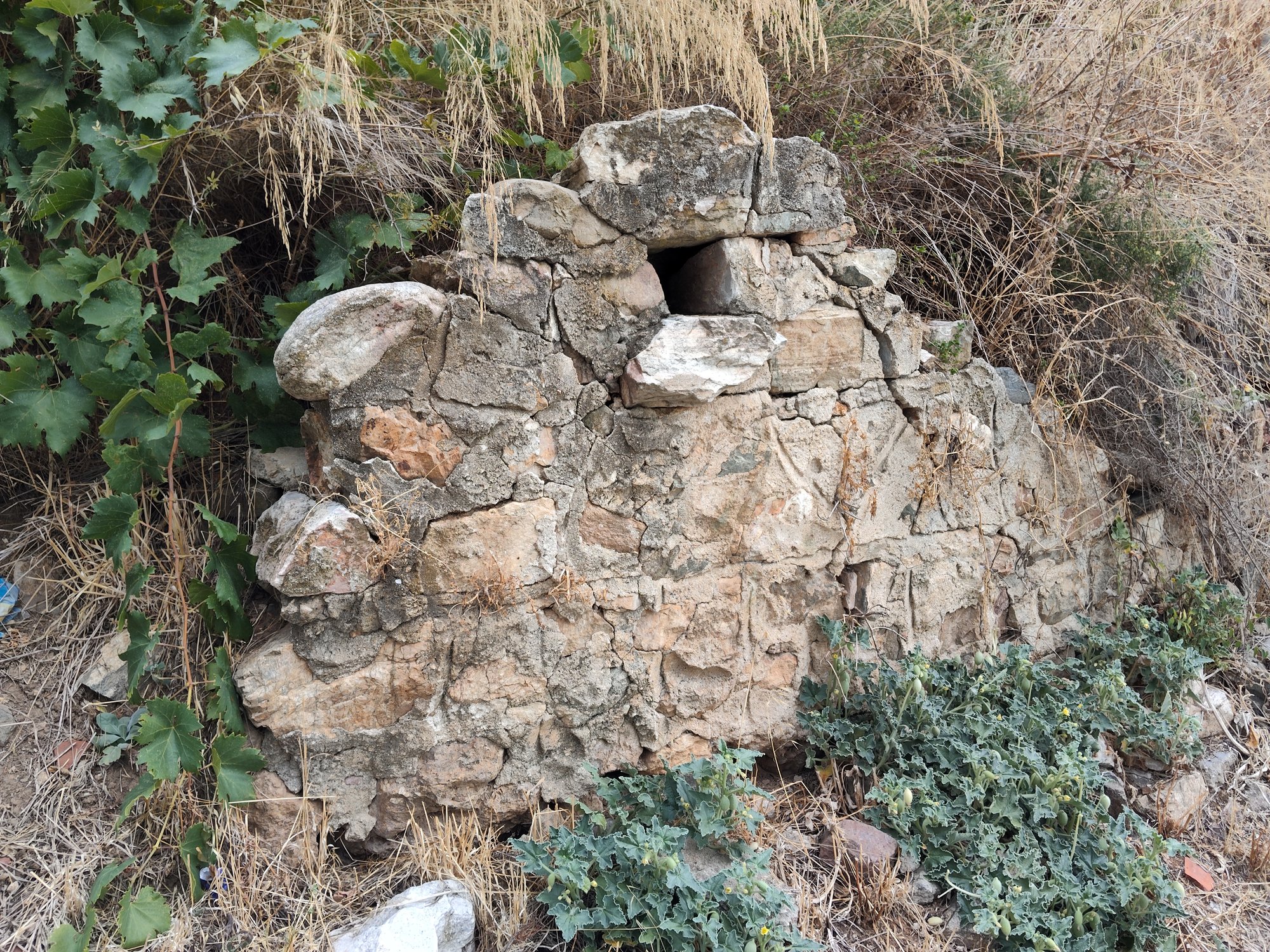
Beliou